
Superior Fire Resistance with Duro-Last PVC Membranes
Is your commercial facility protected against fire hazards? Here’s why roofing material matters—and how Duro-Last PVC membranes deliver industry-leading safety.
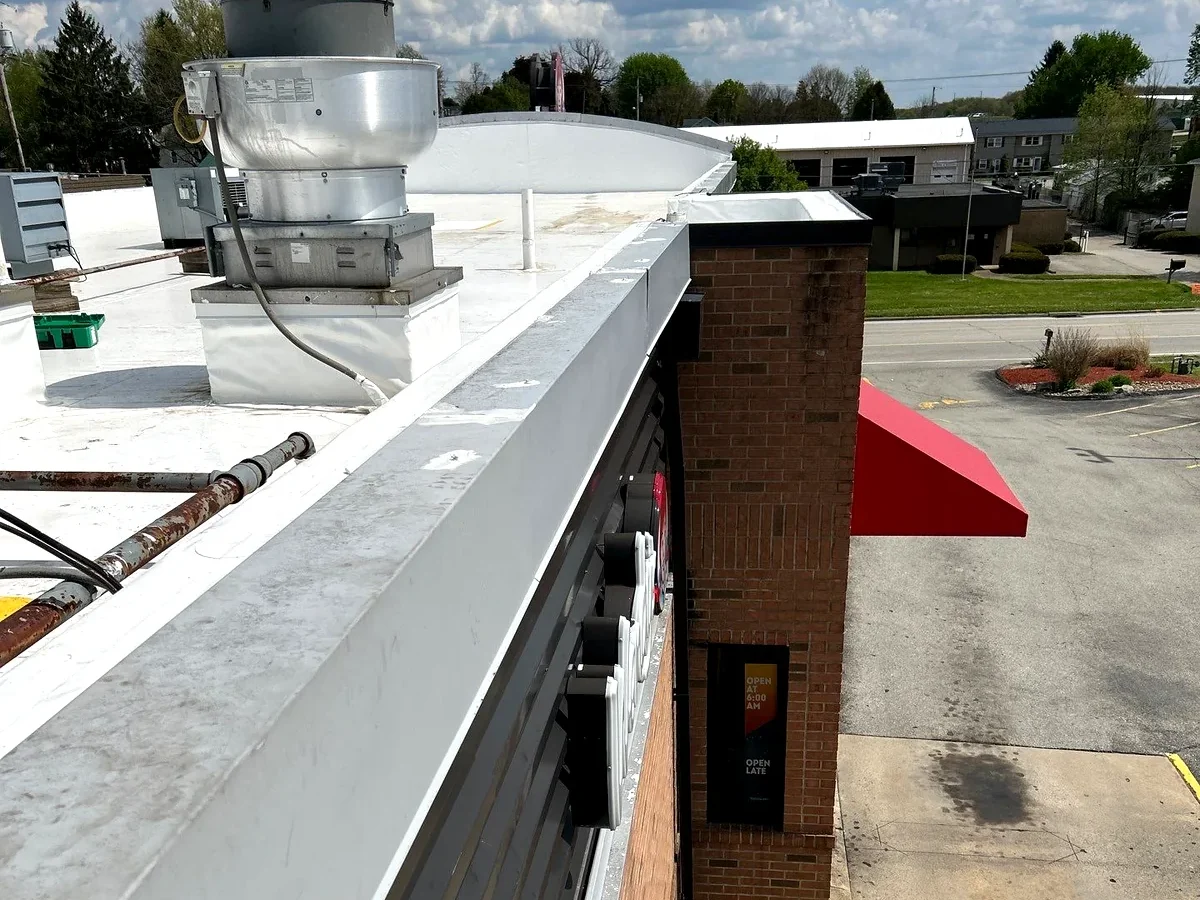
Fire Safety in Commercial Roofing: Why Material Choice Matters
When it comes to commercial roofing systems, durability and longevity are often top concerns for property owners. However, another critical factor that should not be overlooked is fire resistance. In the event of an emergency, the ability of a roof to withstand flames and prevent the spread of fire can make all the difference in minimizing structural damage and protecting human lives.
Choosing the right membrane can actively prevent a minor accident from turning into a catastrophic loss. To help you make an informed decision, we’ll explore the burning capabilities of three popular low-slope roofing materials—EPDM, TPO, and Duro-Last—with a special focus on Duro-Last’s unique ability to self-extinguish.
Service Area Insight
We’ve inspected and installed commercial roofing systems across Pennsylvania, including Harrisburg, State College, Altoona, and Lebanon. In these regions, industrial hubs and commercial centers face various operational hazards. Property managers prioritizing risk mitigation consistently turn to high-performance PVC roofing systems to ensure maximum structural protection.
Evaluating Fire Performance Across Common Roofing Membranes
Understanding how different roofing materials react to heat and open flames helps determine the level of risk your building carries.
EPDM (Ethylene Propylene Diene Monomer)
EPDM roofing, known for its durability and flexibility, is a synthetic rubber membrane commonly used in low-slope roofing applications. While EPDM offers excellent weather resistance, its fire resistance capabilities are relatively modest compared to thermoplastic options. EPDM is traditionally classified as a Class C roofing material according to ASTM E108 standards, indicating it has only moderate resistance to fire spread. Property owners considering EPDM should take extra precautions to ensure that localized fire safety measures are in place to mitigate the risk of fire damage.
TPO (Thermoplastic Polyolefin)
TPO roofing has gained immense popularity in recent years due to its energy efficiency, affordability, and ease of installation. Like EPDM, TPO is commonly used in flat and low-slope roofing systems and offers moderate natural fire resistance. Standard TPO is also typically classified as a Class C roofing material according to ASTM E108. While TPO membranes may resist flames to some extent, they can still be susceptible to ignition and may contribute to the spread of fire if not heavily treated with fire-retardant additives during manufacturing.
Duro-Last PVC Membranes
Unlike EPDM and TPO, Duro-Last roofing stands out for its exceptional fire resistance capabilities—particularly its ability to self-extinguish. Duro-Last PVC roofing membranes are engineered with a proprietary blend of plasticizers and a highly effective Flame Retardant Additive (FRA). This chemical composition is designed to react immediately with heat and flames, forming a protective char layer that suffocates the flame, prevents further combustion, and suppresses the spread of fire across the roof grid.
Why Duro-Last is the Class A Winner
In independent fire testing conducted by Underwriters Laboratories (UL), Duro-Last roofing membranes consistently demonstrate outstanding fire resistance properties, earning a coveted Class A fire rating according to ASTM E108.
What a Class A Fire Rating Means for Your Building:
Flame Spread Prevention
Highly effective at preventing external fire penetration into the building structure.
Self-Extinguishing Properties
Once the direct flame source is removed, the PVC material stops burning on its own.
Reduced Risk
Significantly lowers the likelihood of severe fire damage and can often lead to reduced commercial insurance premiums.
PVC Roofing Insights & Next Steps
Selecting the right commercial roofing system requires balancing energy efficiency, longevity, and building safety. For a deeper look at material specifications, fire testing certifications, and chemical engineering standards, you can review the technical guidelines provided by the Duro-Last manufacturer.
If your current roof is aging or lacks adequate fire protection, upgrading to a high-performance commercial roof replacement is the most secure long-term investment you can make for your property.
Facilities with high operational risks—such as manufacturing facilities and warehouses & distribution centers—are especially ideal candidates for Duro-Last PVC membranes due to the presence of internal heat sources, chemical equipment, and heavy electrical systems.
Need a Professional Roof Inspection?
If you’re considering upgrading your commercial building to a fire-resistant Duro-Last PVC membrane, early planning is key. Our team provides detailed property evaluations, asset management planning, and expert installations for commercial roofing systems.
Serving commercial and industrial facilities across Pennsylvania.